The Challenger Brand Paradox: Why Out-of-Home Is Closer Than You Think
Out-of-home advertising isn’t out of reach for challenger brands. It’s been misplanned. When OOH is approached with audience precision rather than blanket reach, it becomes one of the most efficient channels for building brand presence without big-brand waste.

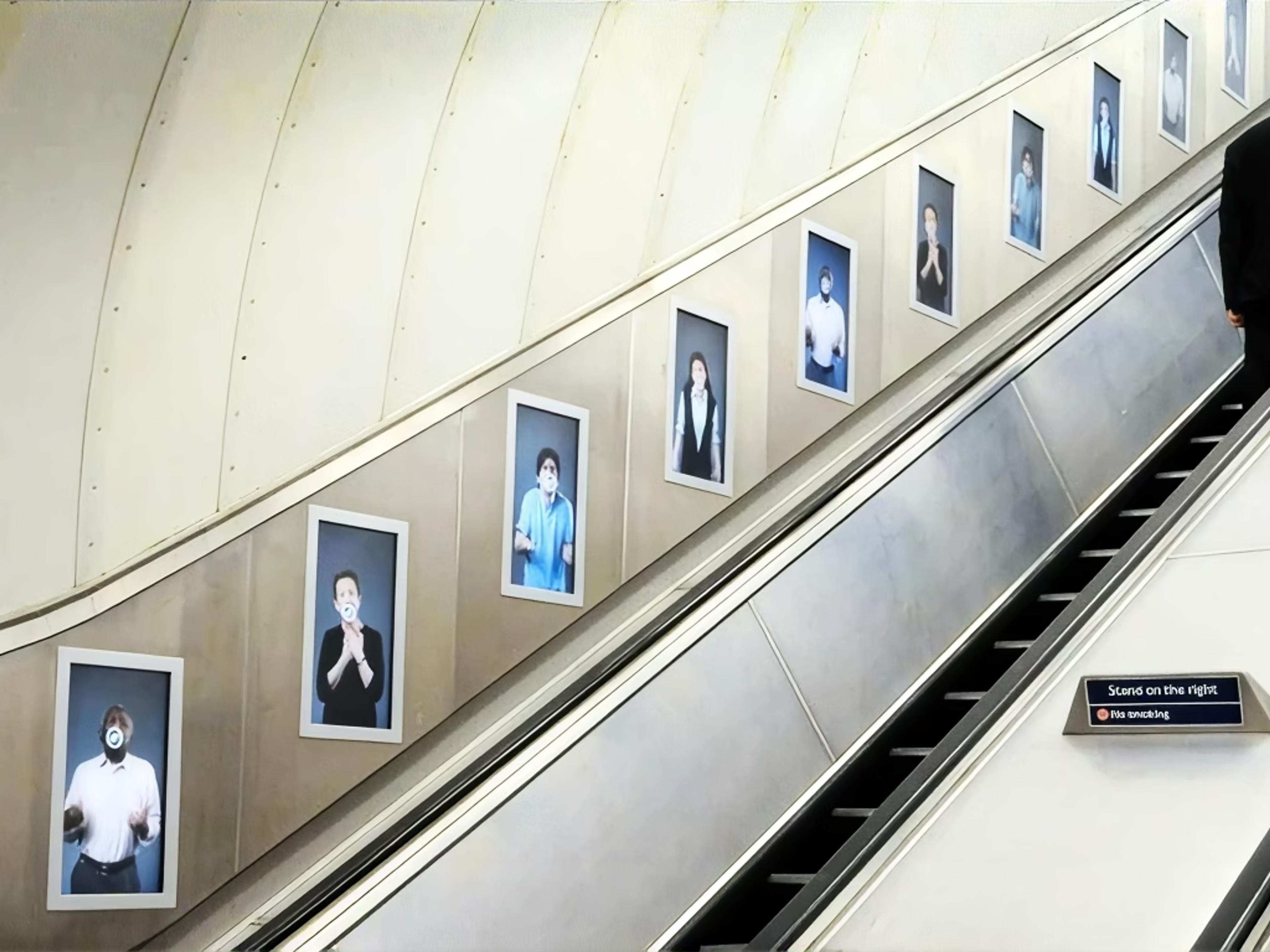
For many challenger brands, out-of-home advertising is often written off early. When budgets are tight, large-format media is assumed to belong to established brands with scale, not businesses focused on efficient growth.
That assumption has less to do with cost — and more to do with how OOH has traditionally been planned.
For years, OOH planning has prioritised coverage over relevance. Buying broad, uniform exposure may suit market leaders defending share, but it rarely serves challenger brands trying to build fame efficiently. The result is predictable: wasted reach, diluted impact, and a perception that OOH is unaffordable.
The issue isn’t the channel. It’s the planning.
When Reach Is the Wrong Starting Point
OOH remains one of the most effective channels for driving brand salience and short-term uplift. The challenge is that many plans are still built as if all exposure is equal.
It isn’t.
Audiences behave differently by location, time and context. Planning that ignores this inevitably overpays for impressions that never had a chance to matter. For challenger brands, that inefficiency is fatal.
Planned properly, OOH becomes a precision channel — not a blunt one.
Precision Changes the Economics
When planning starts with audience behaviour rather than inventory volume, the economics shift. Smaller budgets can deliver disproportionate impact by focusing on:
Where target audiences actually move
When attention is most available
Which environments reinforce message relevance
This approach doesn’t require national domination. It requires strategic visibility.
By concentrating spend into fewer, higher-value placements, OOH becomes one of the most efficient ways for challenger brands to build mental availability without waste.
Smarter Planning Levels the Field
Challenger brands don’t win by copying market leaders. They win by being more selective.
In a crowded market, memorability comes from showing up intelligently — not everywhere. OOH planned with intent allows brands to punch above their weight, creating presence where it counts and avoiding spend where it doesn’t.
For brands that have previously ruled OOH out, the opportunity isn’t to spend more. It’s to plan differently.
Back to news