What Wild’s Acquisition by Unilever Reveals About the Power of Brand
Wild’s acquisition wasn’t driven by product innovation alone. It was the commercial value of brand — loyalty, relevance and cultural clarity — that ultimately justified the price.
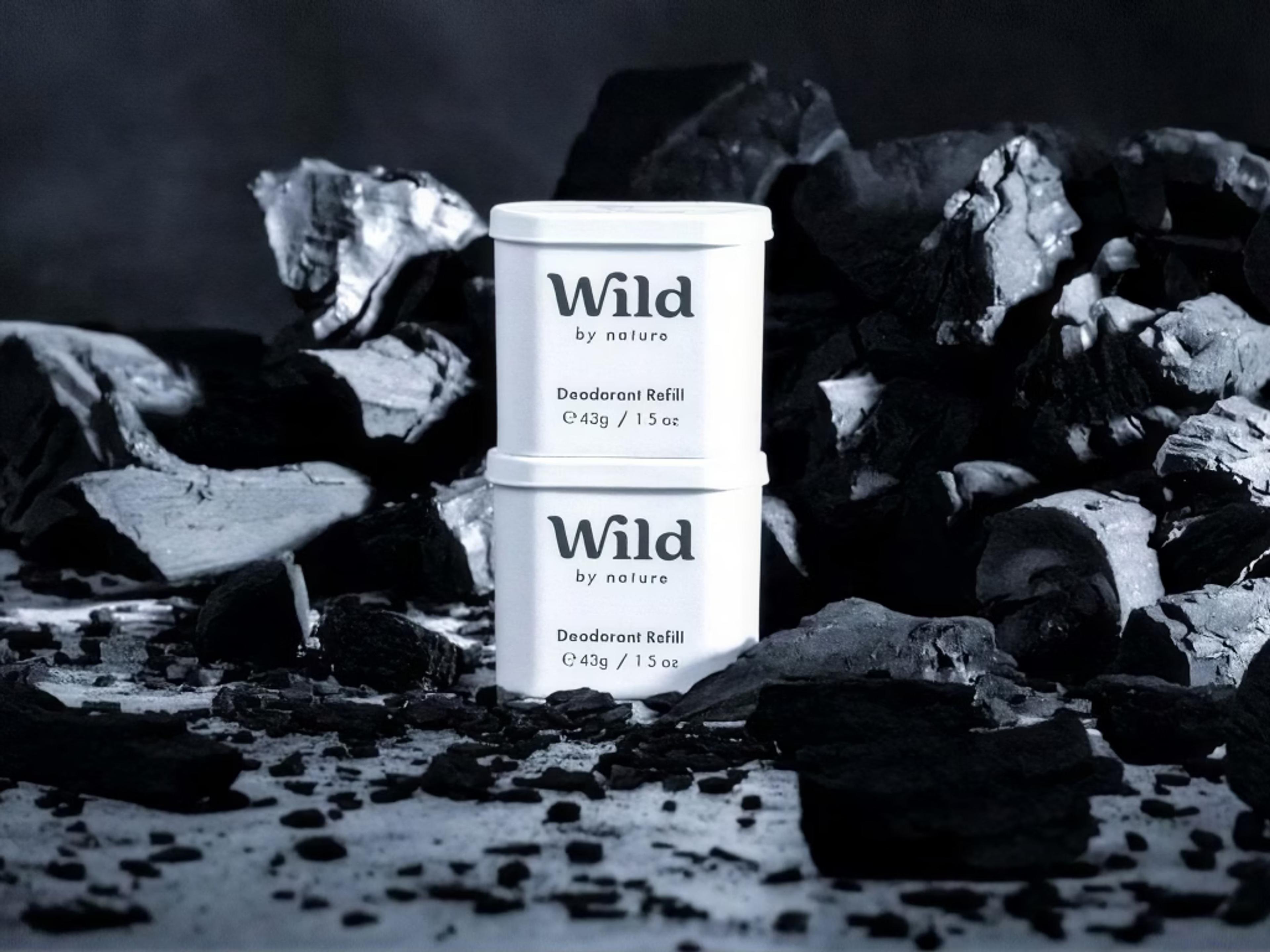
When Unilever acquired Wild for a reported £100 million, the deal sent a clear signal across the FMCG market.
This was not a product-led acquisition.
It was a brand-led one.
In a category crowded with near-identical formulations, Unilever didn’t buy a deodorant. It bought meaning, loyalty and cultural relevance — assets that are slow to build and difficult to replicate at scale.
Five Years to Nine Figures
Founded in 2019, Wild reached a nine-figure valuation in under five years. That speed matters, but it’s not the story.
The real story is why the brand scaled so efficiently.
Wild didn’t compete by outspending incumbents or out-engineering them. It competed by standing for something clearly — and executing that position consistently.
Sustainability wasn’t an overlay. It was embedded into the product, the packaging, the messaging and the experience. That coherence created trust. Trust created loyalty. Loyalty created value.
Brand as a Commercial Asset
Unilever’s decision reflects a broader truth: brand equity is no longer a soft metric.
Strong brands reduce the cost of acquisition, increase tolerance on price, and create resilience in crowded markets. They turn repeat purchase into habit and advocacy into distribution.
Wild arrived with
A clearly defined audience
Built-in credibility around sustainability
Direct relationships with customers
A brand voice that travelled well
These are not marketing outputs. They are commercial advantages.
Why D2C Mattered — But Wasn’t the Point
Wild’s direct-to-consumer model gave it speed and feedback, but that alone doesn’t explain the valuation.
Plenty of D2C brands stall.
What differentiated Wild was not channel choice, but brand discipline. Every touchpoint reinforced the same narrative. Nothing felt bolted on. Nothing contradicted the promise.
That consistency is what made the brand scalable beyond D2C — and attractive to a global operator.
Agility Creates Optionality
Large organisations struggle to build cultural relevance quickly. Smaller brands struggle to scale it responsibly.
Wild solved the first problem. Unilever solves the second.
That’s the logic of the deal.
Unilever didn’t buy Wild to fix it. It bought Wild because fixing it would have destroyed what made it valuable in the first place.
The Broader Signal to the Market
This acquisition underlines a simple point: in commoditised categories, brand is the multiplier.
Performance drives growth. Brand protects it.
The businesses that command premium outcomes are those that invest early in clarity — who they are, who they’re for, and why they exist beyond function.
Wild didn’t win because it shouted louder.
It won because it stood firmer.
Brand Is No Longer Optional
As categories become more crowded and attention more fragmented, brand is no longer decoration. It is infrastructure.
Unilever’s move makes that explicit.
In modern markets, the strongest balance sheets increasingly belong to the strongest brands.
Back to news