How digital culture is rewriting the wellness playbook
The new front door to wellness isn’t Boots or Holland & Barrett, it’s TikTok. And the journey doesn’t start with a problem to solve. It starts with a scroll.

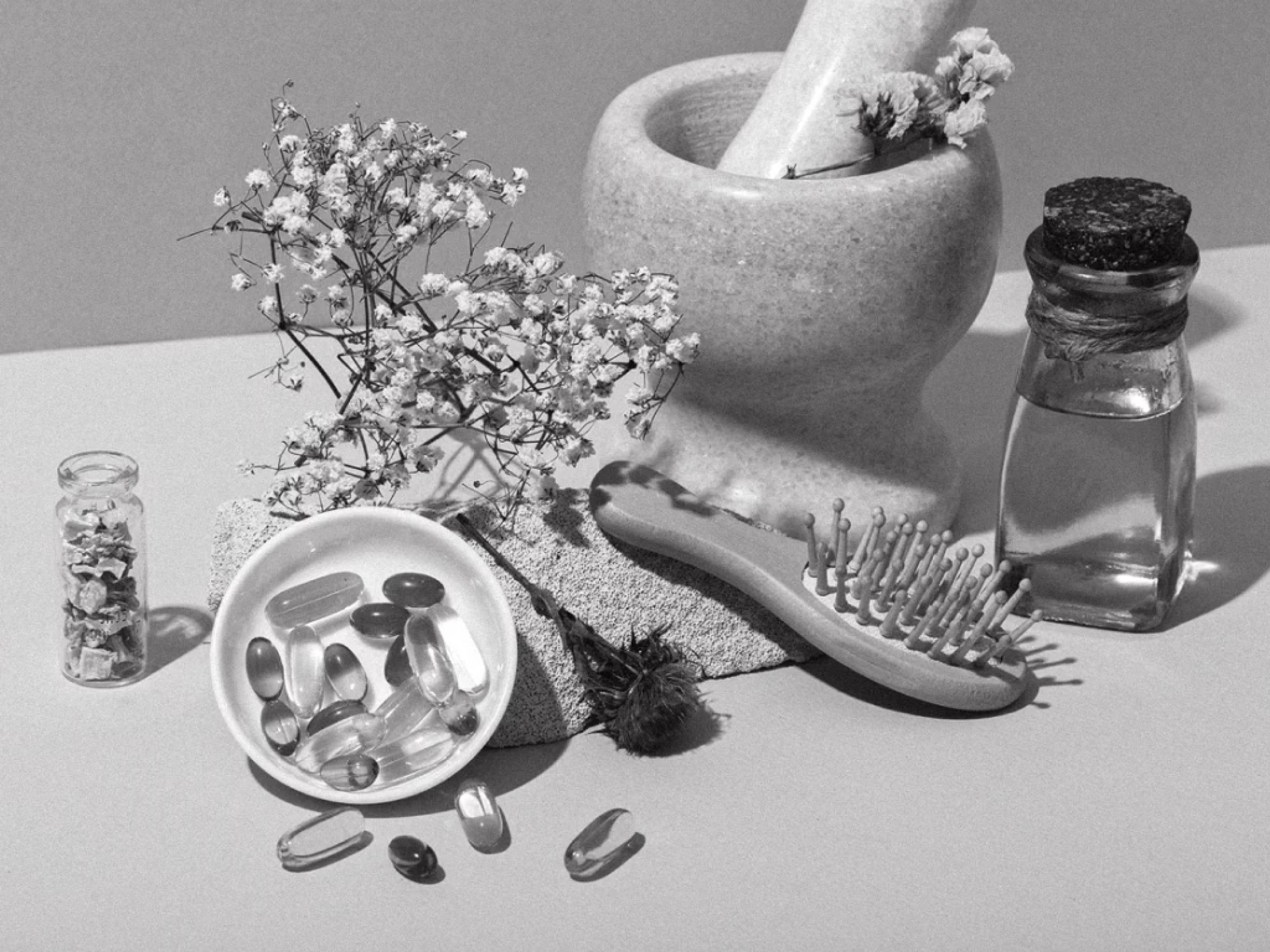
The new front door to wellness isn’t Boots or Holland & Barrett, it’s TikTok. And the journey doesn’t start with a problem to solve. It starts with a scroll. Supplements like collagen, ashwagandha, and mushroom powders have moved far beyond the realm of health food shops and vitamin aisles. They now live in the texture of digital life, filtered, narrated, aestheticised, and sold not through traditional claims, but through social rituals, identity signals, and peer-to-peer storytelling. TikTok isn’t just a channel in this world; it’s the ecosystem. Recent YouGov data backs up what culture has already made visible: nearly one in five users say they discovered collagen via TikTok, and mushroom powders follow closely.
In contrast, discovery via in-store experience? Just 7%. That figure is less than a third of TikTok’s pull, and that disparity marks a generational shift. Where previous consumer journeys started with symptoms, today’s are shaped by aspiration, exploration, and vibe. From Function to Feeling: How Wellness Became Culture Wellness in 2025 is no longer about what you need. It’s about who you want to be. Supplements have become aesthetic artefacts, consumed for how they make you look, feel, and even behave online. Collagen is part of the "soft glow" aesthetic. Ashwagandha appears in wind-down routines. Mushroom powders are the new productivity flex. Each product slots neatly into a lifestyle loop: the ritual, the result, the reel. They're not just taken, they're performed. And that performance often begins in a TikTok comment section or a GRWM voiceover.
This is where brands need to pivot: the supplement category isn’t really a health category anymore. It’s a personal development category. A A vibe alignment category. Products are being sold not based on ingredients, but on the energy they suggest. And that energy is being shaped by creators, subcultures, and community codes that move faster than most brand playbooks can track. TikTok Is the Lab What used to be tested in focus groups is now happening in public. TikTok is the R&D lab. It’s the feedback loop.
It’s the place where new products are validated or vaporised. When 22% of collagen users say TikTok was their entry point, that isn’t just channel preference; it’s an index of trust. TikTok is where curiosity becomes trial. It’s where passive exposure turns into active interest. And when trial happens, it’s rarely because of a traditional CTA. More often, it's a micro-influencer sipping their collagen latte, or a stitched reaction to “what happened when I started taking ashwagandha.” And that matters, because while discovery is algorithmically driven, conversion still rides on human emotion.
Around half of all users cite personal wellness goals as their main motivation to try a supplement. Not symptoms. Not FOMO. Just a desire to feel more like their best self. That’s the brief, and it’s one that no claim or bottle copy can deliver on its own. Product benefits play a role (especially for mushrooms and ashwagandha), but they’re not the trigger. The real momentum lies in digital peer modelling, the stories we see ourselves in, the results we want to replicate, the energy we want to absorb. Brands Need to Act Like Creators This landscape rewards fluency.
Brands can’t afford to treat TikTok or Instagram as just another media buy. They need to behave like participants, not advertisers. That means storytelling in the native language of digital culture, rituals, aesthetics, irony, intimacy, not sales decks translated into 15-second clips. It means designing packaging that looks good on camera, creating campaigns that invite participation (not just attention), and thinking about how every product becomes part of a user’s personal content ecosystem. And crucially, it means engineering desirability from the inside out. What does your product say about the person who uses it? Does it earn a place in their wellness shelfie, their nightstand, their GRWM moodboard? Are you giving them a story they want to tell? Final Thoughts In 2025, consumers aren’t buying supplements.
They’re buying glow, they’re buying calm. They’re buying focus, flow, and the feeling of having their life together. Supplements are no longer about health outcomes. They’re about personal narratives. And the brands that win in this space won’t be the ones shouting about milligram counts or ingredient purity. They’ll be the ones fluent in the nuance of digital selfhood, in how a sachet becomes a symbol, how a morning ritual becomes a lifestyle, and how a product becomes a personality. If you want to matter in this category, you don’t just need a better formula. You need cultural fluency and creator intimacy. The brands that win are the ones fluent in who their customers want to be next.
Back to news