From QVC to the FYP: The New Age of Commerce
Commerce hasn’t moved online — it’s moved into culture. From televised shopping to the For You Page, discovery and conversion now happen inside the same scroll, reshaping how brands earn attention and drive sales.

For decades, televised shopping followed a familiar formula.
Studios. Presenters. Long demonstrations. A captive audience encouraged to pick up the phone and buy. In the UK, QVC defined this model — blending entertainment and transaction in a way that felt revolutionary at the time.
It worked because attention was controlled.
That era has ended.
Today, commerce doesn’t wait for audiences to tune in. It meets them mid-scroll.
From Scheduled Selling to Embedded Commerce
The modern equivalent of QVC is not a channel. It’s a feed.
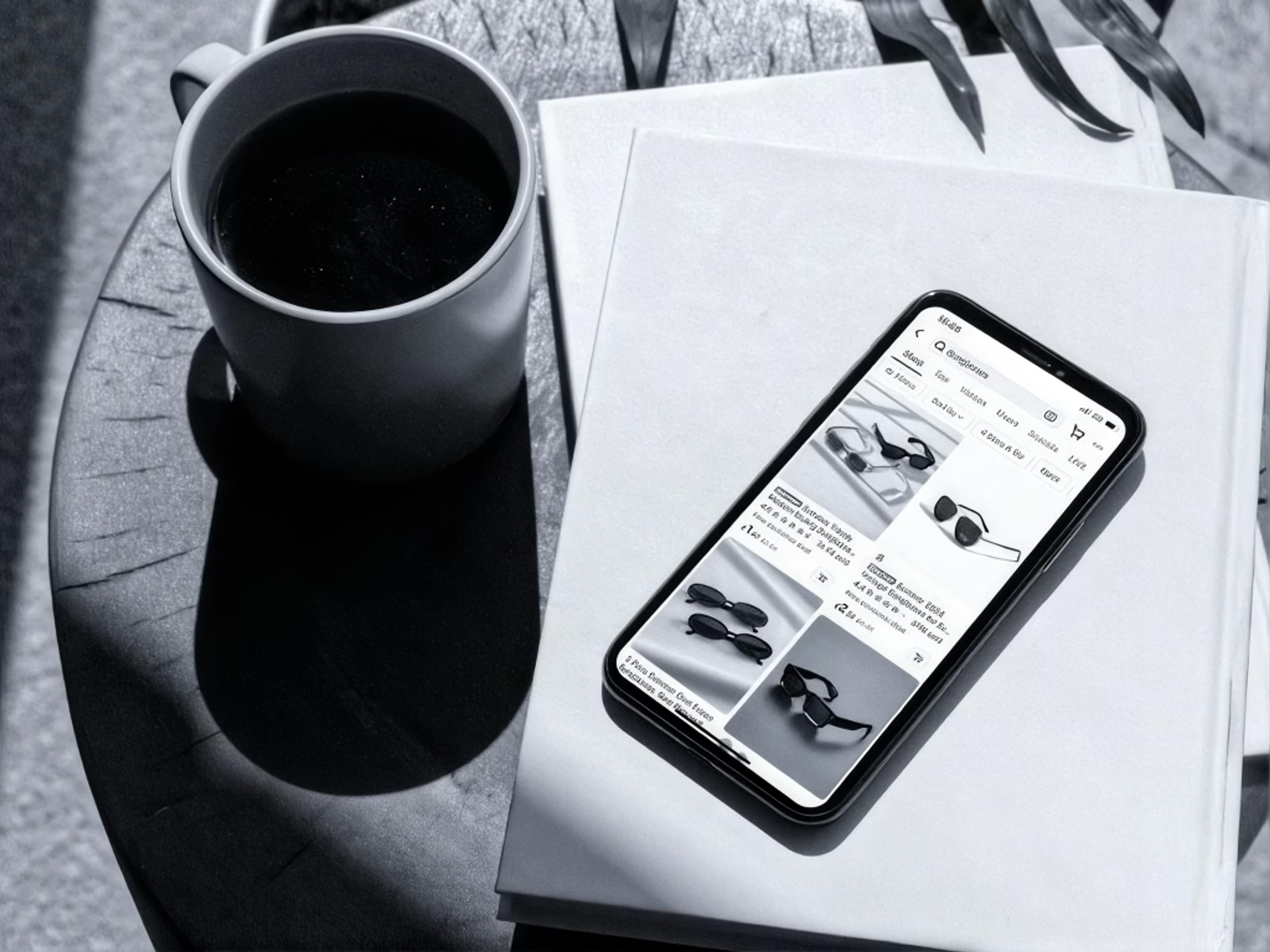
With the launch of TikTok Shop, shopping became fully embedded inside everyday behaviour. Product discovery, demonstration, validation and checkout now exist in a single environment, driven by creators rather than presenters and algorithms rather than schedules.
This isn’t e-commerce layered onto content. It’s content designed to convert.
The shift is structural. Attention is no longer something brands interrupt — it’s something they earn inside culture.
Why the Feed Converts Better Than the Broadcast
The old model relied on persuasion through repetition and time. The new model relies on relevance and immediacy.
On platforms like TikTok, products are introduced through people audiences already trust. Demonstrations feel informal. Validation happens publicly. Purchase is frictionless. The gap between interest and action has collapsed.
Where QVC required commitment, the feed rewards instinct.
This is why social commerce scales so quickly: it aligns with how people already behave, not how brands wish they behaved.
Culture Has Replaced the Catalogue
In the broadcast era, products were curated and explained. In the feed era, they are contextualised.
People don’t just buy what works — they buy what fits. Identity, lifestyle and belonging now influence purchase as much as price or utility. Commerce has become a cultural signal.
This is the defining change. Brands are no longer competing solely on shelf or screen. They are competing for relevance inside moments, communities and conversations.
Attention and Conversion Are No Longer Separate
Historically, awareness and performance were treated as different jobs.
That distinction no longer holds.
In-feed commerce collapses the funnel. Content builds familiarity. Familiarity builds trust. Trust drives action — often in the same session. The idea that brand and performance live at opposite ends of a journey is increasingly outdated.
The most effective commerce today doesn’t feel transactional. It feels native.
What This Means for Brands
This shift rewards a different kind of discipline.
Presence matters more than prominence
Relevance outperforms repetition
Cultural fluency beats production value
Speed matters, but authenticity matters more
Brands that succeed here don’t chase every moment. They understand which spaces they belong in — and which they don’t.
The Future Is Already in Motion
For younger audiences in particular, shopping is no longer a destination. It’s something that happens alongside entertainment, conversation and discovery.
The question for brands is no longer whether social-first commerce will matter.
It’s whether they can participate in it credibly.
Because the future of commerce isn’t louder, longer or more polished.
It’s faster, closer — and embedded where attention already lives.
Back to news